Gastroenteritis is an inflammation of the stomach and intestines that can cause nausea, vomiting, diarrhea, and abdominal discomfort. These symptoms often lead to dehydration and fatigue. While most cases resolve within a few days, gentle natural care can help the body recover more comfortably and efficiently. The following five research-supported approaches focus on hydration, digestive healing, and herbal support without the use of over-the-counter medications.
For supportive options, explore our digestive and hemorrhoid relief protocols.
1. Rehydration with Natural Electrolytes
Rehydration is the foundation of recovery from gastroenteritis. Vomiting and diarrhea deplete water and key electrolytes such as sodium and potassium, which are essential for muscle and nerve function. Diarrhea is a hallmark symptom — learn what causes diarrhea.
Natural rehydration methods include:
- Drinking small, frequent sips of water, coconut water, or clear herbal teas.
- Consuming vegetable or bone broths that naturally replenish minerals and electrolytes.
- Preparing a homemade oral rehydration drink with 1 liter of water, ½ teaspoon of sea salt, and 2 tablespoons of honey.
Gradual, steady hydration helps prevent nausea from worsening and restores the body’s fluid balance.
2. Gentle, Gut-Healing Foods
As the stomach begins to settle, it is best to introduce foods that are mild and easy to digest.
- The BRAT diet (bananas, rice, applesauce, toast) can help calm the digestive tract and firm stool.
- Other suitable options include plain potatoes, oatmeal, tofu, and lightly steamed vegetables.
- Avoid dairy products, caffeine, fried foods, and alcohol until digestion fully normalizes.
Simple, low-fat meals support nutrient replenishment while allowing the intestinal lining to heal.
3. Herbal Remedies for Nausea and Cramping
Several herbs have been traditionally used to relieve nausea, abdominal cramping, and intestinal discomfort. These can be consumed as teas or infusions throughout the day. See what causes abdominal cramping during a flare.
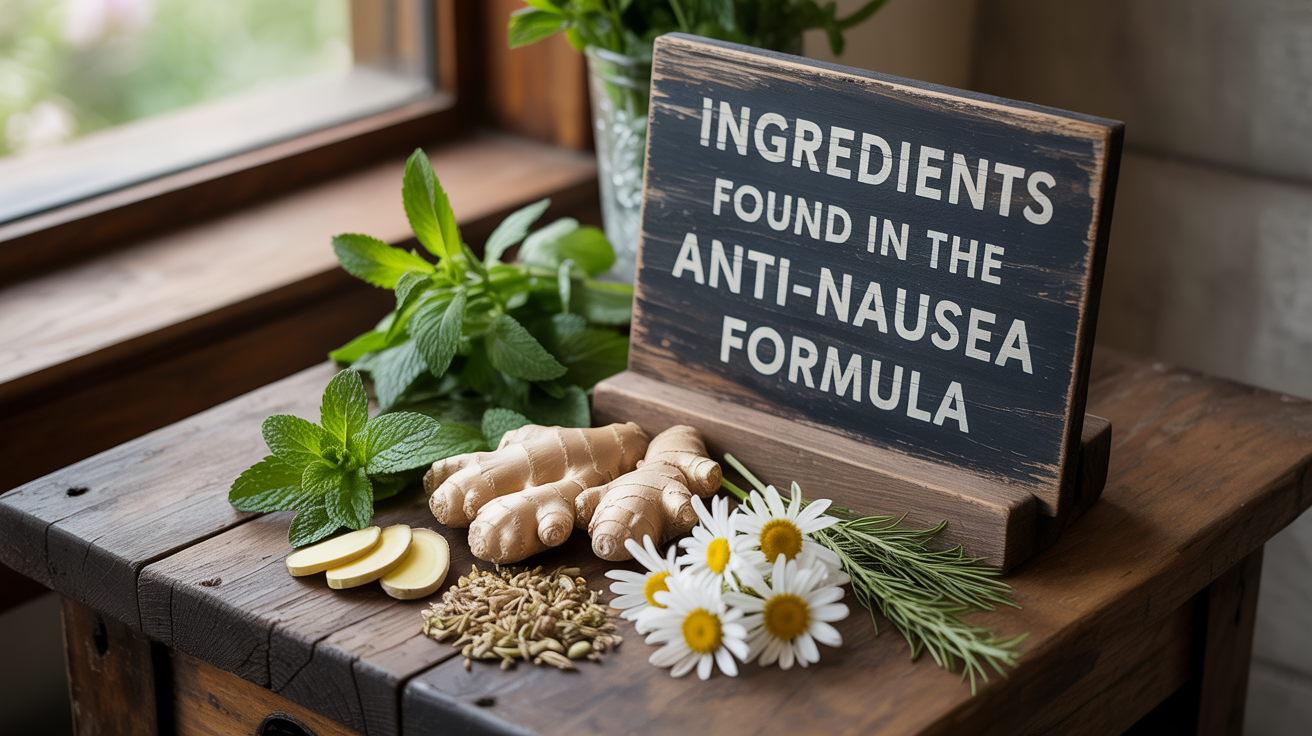
- Ginger: Reduces nausea and supports normal digestive function.
- Peppermint: Relaxes intestinal muscles, easing gas and bloating.
- Chamomile: Calms the digestive tract and may help relieve mild diarrhea.
- Sage and fennel: Support digestion and help rebalance the intestinal environment.
Warm herbal teas provide hydration and symptom relief simultaneously.
4. Aloe Vera and Probiotic Recovery
Supporting the intestinal lining and restoring beneficial gut bacteria can aid recovery and improve long-term digestive health.
- Aloe vera juice (from the clear inner gel) has anti-inflammatory and antimicrobial properties that can help reduce gastric irritation.
- Probiotic-rich foods such as plain yogurt, kefir, sauerkraut, and other fermented vegetables help reestablish healthy gut flora disrupted by infection.
Together, aloe vera and probiotics promote a balanced, resilient digestive system after illness.
5. Dr. Cole’s Herbal Digestive Support Formula
For those seeking external herbal support, Dr. Cole’s Herbal Digestive Support Formula provides a topical approach that utilizes aromatic herbs to encourage relaxation and digestive comfort.
Suggested use: Apply a small amount to the abdomen, belly button, under the nose, temples, and behind the ears. This may support vagal nerve balance and promote calm digestion.
Key herbal ingredients include:
- Ginger, peppermint, fennel, and chamomile to soothe nausea and bloating.
- Lemon balm, catnip, and black horehound to ease stomach tension.
- Meadowsweet, gentian, and turkey rhubarb root to support healthy digestion.
- Goldenseal, cinnamon, and Iceland moss to aid in intestinal defense and reduce inflammation.
Blended with olive oil, beeswax, essential oils, and vitamin E, this balm is suitable for sensitive skin and provides gentle, external symptom support.
Summary
Combining steady rehydration, soothing foods, herbal teas, probiotics, and gentle topical support creates a balanced, natural approach to gastroenteritis recovery. These methods work together to reduce inflammation, restore digestive function, and help the body return to normal equilibrium.